
Creating Safe Spaces in Greece: Empowering Young People through Trust, Participation and Holistic Support
Context As part of the SafeSpaces Project, Velos Youth piloted the SafeSpaces methodology at its Day Centre in Greece to strengthen support for young refugees, asylum seekers and unaccompanied minors. The pilot aimed to create an inclusive and welcoming environment where young people could feel safe, build trusting relationships and actively participate in their own development. By combining social work, youth work and trauma-informed practices, the initiative sought to enhance both the wellbeing of participants and the capacity of professionals working with them. Methodology The pilot followed the SafeSpaces Step-by-Step Framework, beginning with a comprehensive assessment of participants’ needs, community resources and existing safeguarding procedures. The Velos Youth team mapped local services, strengthened cooperation with NGOs and external stakeholders, and reviewed referral pathways, registration processes and operational procedures to ensure coordinated and effective support. The methodology combined structured case management with informal youth work approaches, recognising young people as active participants rather than passive recipients of services. Individual mentoring, Personal Development Plans, life skills workshops, psychoeducation sessions, creative activities and peer-led initiatives formed the core of the intervention. Throughout the process, professionals applied trauma-informed, rights-based and strengths-based principles, encouraging resilience, participation and meaningful engagement while continuously adapting activities to participants’ evolving needs. Results and Impact The pilot demonstrated that the SafeSpaces methodology provides both a practical framework for professionals and a supportive environment for young people. Staff observed stronger relationships with participants, increased trust and greater engagement in educational, recreational and group activities. Creative workshops and peer interactions helped young people develop confidence, strengthen social connections and foster a sense of belonging within the centre. The holistic assessment process also enabled professionals to move beyond identifying vulnerabilities by recognising participants’ strengths, aspirations and personal resources. Regular reflection, team debriefings and monitoring tools improved coordination among staff and contributed to more consistent and person-centred support. While the implementation highlighted challenges such as the time required to build trust, varying levels of participation and the demands of documentation and safeguarding procedures, the methodology proved sufficiently flexible to respond to the diverse realities of young people on the move. Conclusions The Velos Youth pilot confirmed that the SafeSpaces methodology is an effective and adaptable approach for supporting vulnerable young people. By integrating safeguarding, trauma-informed practice, participatory youth work and holistic case management, the methodology strengthened both professional practice and participants’ wellbeing. The experience demonstrated that safe spaces are built not only through appropriate procedures, but through trusting relationships, meaningful participation and opportunities that empower young people to develop resilience, build connections and actively shape their futures.
The Impact of the SafeSpaces Project in Spain: excellence in training for the inclusion of minors and migrants
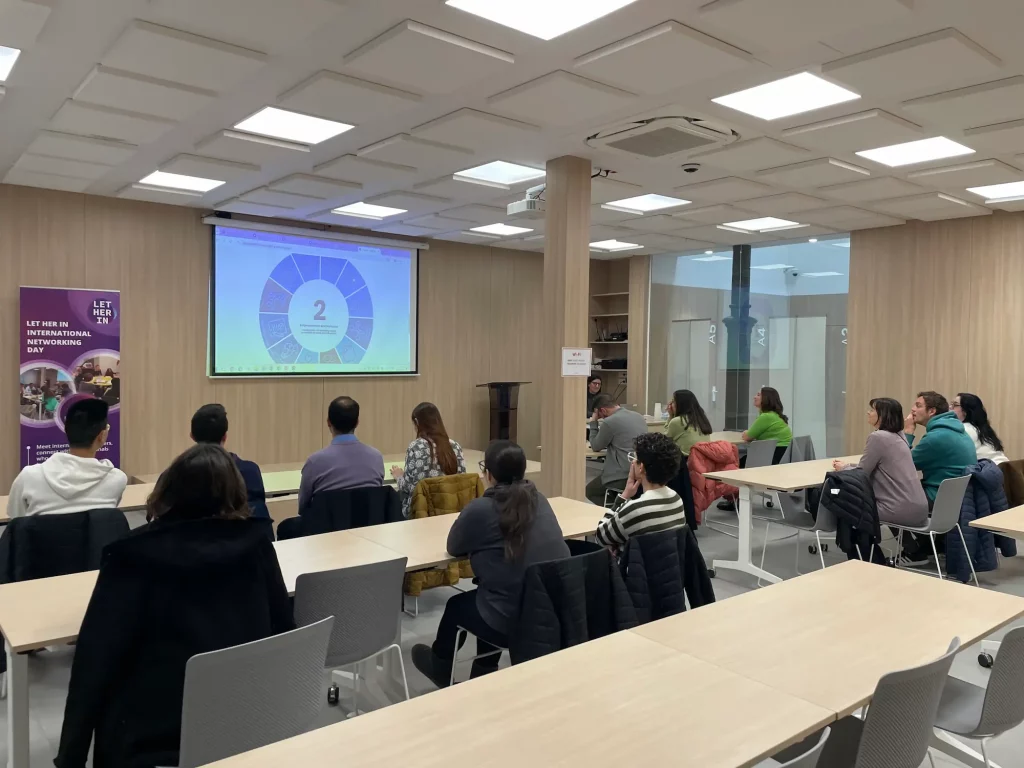
As Spain continues to be one of the primary entry points into Europe for migrants and refugees, the protection and integration of Unaccompanied Foreign Minors (MENA) remains a complex challenge requiring increasingly specialized professional skills. In response to these needs, the Spanish organizations EduFem and La Lliga recently completed the evaluation of the SafeSpaces training program with extremely positive results. A Model of Excellence Both roundtables, held in Reus in early 2026, expressed a judgment of excellence. The involved professionals including social educators, psychologists, intercultural mediators, and healthcare providers praised the perfect alignment between the high-quality professional content and the practical needs of daily fieldwork. The training modules were judged as excellent for their operational relevance. Among the most appreciated topics were: Career Guidance and the Labor Market: Essential for fostering long-term autonomy. Legal Services and Case Management: Critical for navigating complex administrative environments. Health and Crime Prevention: Fundamental for the well-being and safety of vulnerable communities. A primary strength identified was the holistic approach, which covers critical areas such as psychological first aid and trauma-informed care. Furthermore, the downloadable toolkits and resources were highlighted as invaluable for ensuring that theoretical knowledge is immediately transferable to real-world interventions. The SafeSpaces program achieved a 100% recommendation rate among the professionals of EduFem and La Lliga. It stands as an essential transformative resource for strengthening the institutional capacity of organizations working with marginalized groups, ensuring that the rights of young migrants and refugees are protected throughout their journey toward independence.
Methodology for Safe Spaces: The model that sustains migrant children in Mexico
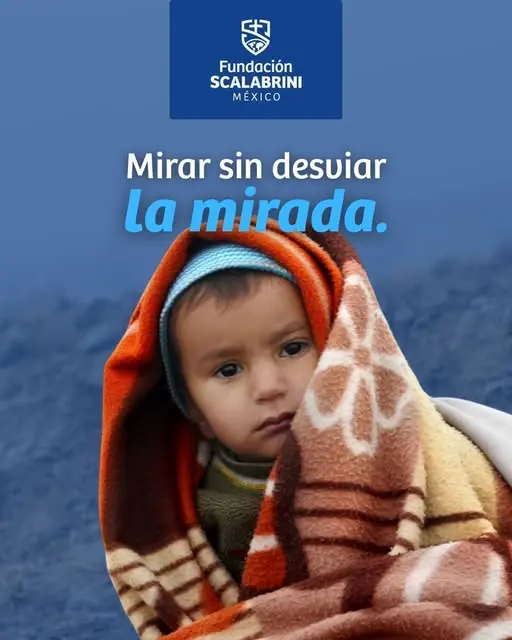
Context Mexico faces a humanitarian paradox. In 2025, 15,172 migrant girls, boys, and adolescents entered the country. Although this figure is lower than in previous years, REDIM warns that it does not reflect an improvement in their rights, but rather a regional hardening of policies that exacerbates the vulnerability of children. The LGDNNA prohibits their detention and mandates referral to the DIF, but 90% of shelters are managed by civil society and operate on the brink of collapse, with overcrowding and insufficient resources. Faced with the gap between the law and its enforcement, the safe spaces methodology becomes the structural pillar that upholds the protection of children on the move. Methodology The construction of safe spaces is based on a systemic and adaptive approach, structured around four operational axes: Early detection and referral. Shelters channel NNA to the DIF, the Protection Attorney’s Office, and COMAR, preventing them from becoming entangled in criminal migration proceedings. Integrated multidimensional care. It combines health services, legal support, psychosocial care, recreational and cultural areas, and training within a single space, closing gaps in comprehensive care. Horizontal inter-institutional coordination. It promotes referral networks and joint protocols among civil society organizations, with regular meetings and shared codes of good practices based on a trauma-informed and child protection approach. Contextual adaptation of the European model. The SafeSpaces program takes up European elements and reformulates them with Latin American case studies, adjusting language and tools to limited resources and local legal frameworks, without losing the conceptual rigor of complex systems thinking. Results and impact The methodology demonstrates that coordination prevents collapse. Spaces that apply it reduce duplication of efforts and strengthen trust among overstretched teams. Training in systemic thinking has created a common language that allows organizations to view themselves as part of a protection chain, rather than as isolated islands. Local networks have been formalized that, although fragile, manage to demand accountability from the State. The comprehensiveness of services (medical, legal, and psychological) has reduced revictimization and streamlined access to refugee procedures. However, the impact hits a structural limit: the State’s institutional weakness in coordinating with civil society, which maintains an abysmal gap between protocols and their daily implementation. Conclusions The methodology shows that comprehensive protection cannot be decreed; it must be built from the local level. In the face of migration hardening and state saturation, the systemic approach offers a clear roadmap: coordination, comprehensiveness, and contextual adaptation. As REDIM points out, common standards and transnational protection mechanisms are needed, but they will only be effective if they stem from local experience and network work. The immediate challenge is to institutionalize these practices, ensuring that the State does not shirk its responsibility, but rather joins an alliance that, although fragile, remains the only guarantee of dignity for migrant children in Mexico. By Edgar Alan Nolasco Rogel, Project Coordinator, Scalabrini Foundation Abbreviations: NNA: Girls, Boys, and Adolescents. DIF: National System for Integral Family Development. COMAR: Mexican Commission for Refugee Assistance. REDIM: Network for the Rights of Children in Mexico. LGDNNA: General Law on the Rights of Girls, Boys, and Adolescents. Segob: Secretariat of the Interior. Sources consulted: Unidad de Política Migratoria, Segob. Statistical Bulletins 2025. Network for the Rights of Children in Mexico (REDIM). « Migrant girls, boys and adolescents in Mexico (as of March 2025) », May 21, 2025. General Law on the Rights of Girls, Boys and Adolescents (LGDNNA). KIND (Kids in Need of Defense). « Master Plan 2024: Priorities for children on the move », September 2025.
Creating Safe Spaces in Bulgaria: Building Trust, Empowerment and Opportunities for Young People
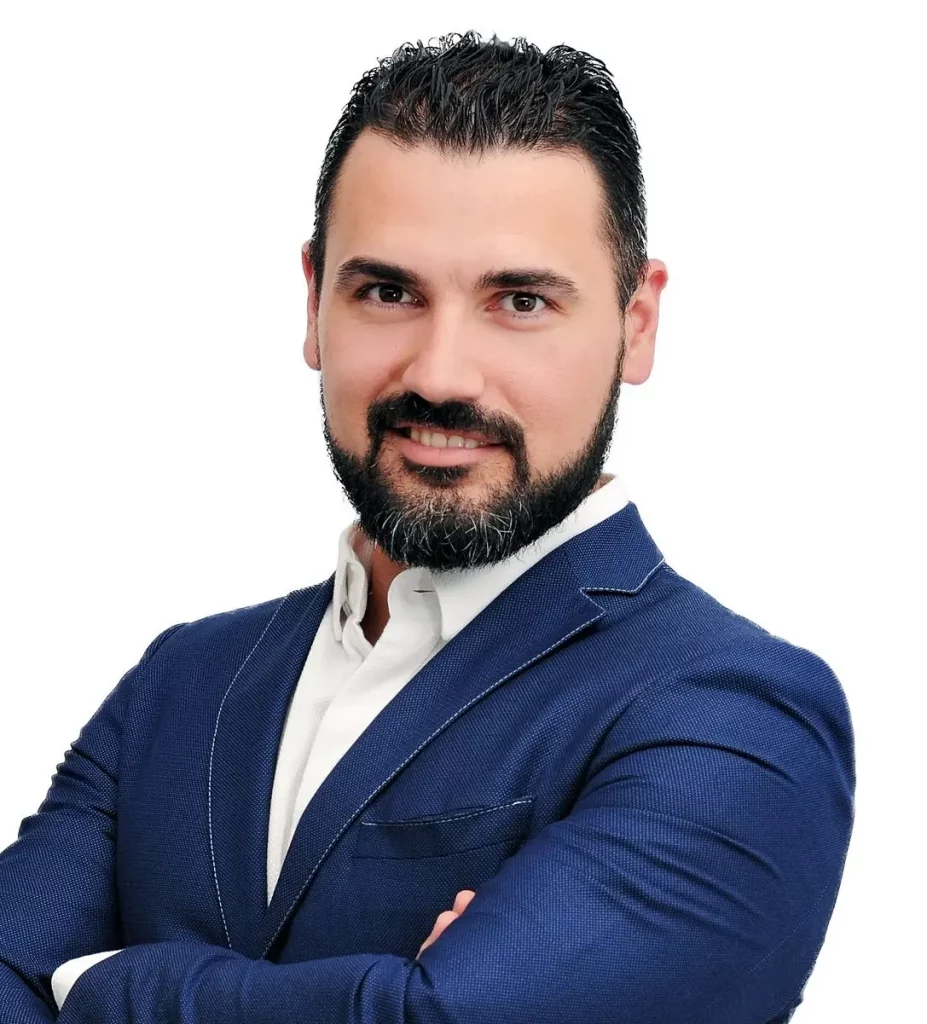
Context Within the SafeSpaces project, Follow Me Association piloted the Safe Spaces methodology in Bulgaria to strengthen support for young migrants, refugees, and other vulnerable young people. The pilot transformed the organisation’s centre into a welcoming environment where participants could feel safe, respected, and supported while professionals enhanced their capacity to respond to diverse and complex needs. By bringing together youth workers, psychologists, social workers, and volunteers, the initiative promoted a shared vision of creating spaces where protection, inclusion, and personal development go hand in hand. Methodology The implementation followed the SafeSpaces Step-by-Step Framework, starting with an assessment of participants’ needs, available community resources, and safeguarding procedures. The team also strengthened referral pathways and cooperation with external stakeholders to ensure coordinated support. The methodology combined individual mentoring, Personal Development Plans, psychoeducational workshops, creative activities, peer learning, and group sessions. A trauma-informed and strengths-based approach encouraged professionals to focus not only on vulnerabilities but also on participants’ abilities, resilience, and aspirations. Regular team reflection and continuous monitoring allowed activities to be adapted to the evolving needs of young people throughout the pilot. Results and Impact The pilot confirmed that creating a safe space is about much more than providing a physical location. It is about building trust, encouraging participation, and empowering young people to grow. Participants became more engaged in activities, developed stronger peer relationships, and gained confidence to express themselves and plan for the future. At the same time, the methodology strengthened professional practice by promoting teamwork, reflective learning, and more structured, coordinated support. « The SafeSpaces methodology gave our team a practical framework that helped us respond more effectively to the needs of young migrants and refugees while remaining flexible enough to adapt to every individual. Most importantly, we witnessed how trust gradually transformed into participation, confidence, and genuine engagement. That has been one of the most valuable outcomes for both the young people and our team, » says Shadi Mahmud, Chair of Follow Me Association. Marina Atanasova, volunteer psychologist at Follow Me Association, adds: « What impressed me most was how the methodology encouraged us to focus on each young person’s strengths and potential. Creating a space where they felt heard and accepted made a visible difference in their confidence and willingness to participate. It also provided us with practical tools while reminding us that trust is the foundation of every meaningful intervention. » Conclusions The Bulgarian pilot demonstrated that the SafeSpaces methodology is an effective framework for creating inclusive and supportive environments for vulnerable young people. By combining safeguarding, trauma-informed practice, individual planning, and participatory activities, the methodology strengthened both professional capacity and participants’ wellbeing. The experience of Follow Me Association shows that safe spaces are not simply places – they are communities built on trust, collaboration, and opportunities that enable every young person to thrive.
Focus Group in Mexico
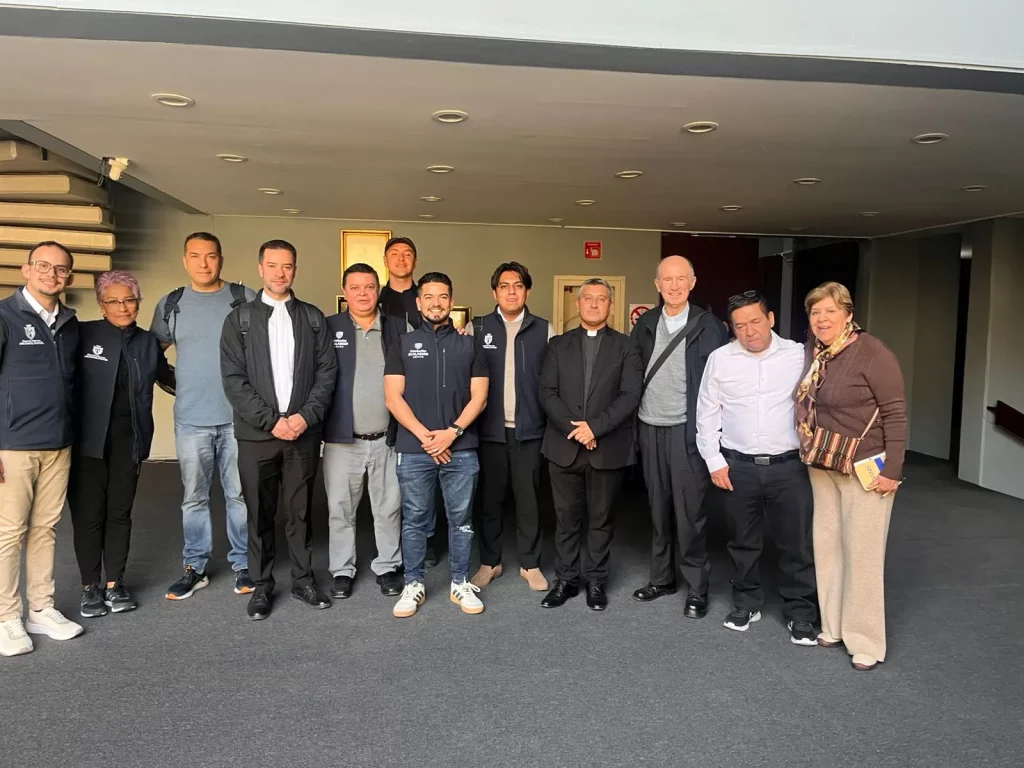
As part of the Safe Spaces Project, the Scalabrini Foundation of Mexico organized a focus group to gain in-depth insight into the experiences of young people on the move living in shelters and community spaces across the country, with a particular focus on the central region, where most of the shelters linked to the participants are located. The dialogue made it possible to identify everyday challenges while also revealing the resilience, determination, and hope that enable them to move forward in highly vulnerable contexts. 1. Purpose and nature of the focus group The focus group, developed within the Safe Spaces Project, was a structured and participatory dialogue space designed to qualitatively assess the relevance, applicability, and impact of the Safe Spaces Training Program in Mexico. The session served not only as an evaluation mechanism but also as a collective reflection instance in which professionals, civil society organizations, and international actors jointly analyzed the program’s contribution to practice with unaccompanied and separated migrant children and adolescents (UASC). The dialogical format facilitated the exchange of experiences, the identification of shared challenges, and the generation of concrete inter-institutional commitments, in line with the principles of participatory evaluation, mutual learning, and systemic approaches promoted by the European Union. 2. Host organization and local anchoring The focus group was organized by the Scalabrini Foundation of Mexico, A.C. , an institution with extensive experience in providing care to migrants, refugees, and asylum seekers. The session took place at the Scalabrini Community Center, inaugurated on June 1, 2024, as part of the SafeSpaces project. This center is a tangible outcome of international cooperation and demonstrates how European Union-funded initiatives can drive sustainable community infrastructure outside Europe. Although SafeSpaces was originally designed with a European model focused on UASC, participants emphasized that the project has had a strategic enabling effect in Mexico by strengthening institutional capacities, fostering professionalization, and supporting integrated services (medical care, legal support, psychosocial care, and safe spaces for children), including the creation of a new dental clinic. 3. National context and relevance The dialogue was grounded in the Mexican migratory context, characterized by: Legal frameworks that prohibit the detention of children and adolescents and mandate their referral to the child protection system (Sistema Nacional DIF). The General Law on the Rights of Children and Adolescents (LGDNNA) recognizes migrant minors as rights holders and establishes that the best interests of the child must be paramount in any administrative migration procedure. Structural limitations: insufficient public resources, system saturation, and a shortage of specialized shelters. Despite the legal prohibition, hundreds of migrant children and adolescents continue to be detained each year. Recent budget cuts and constantly changing migration dynamics (routes, profiles, health needs). Between January and October 2025, the Mexican State recorded 14,044 « irregular » migrants between 0 and 17 years old, and 6,858 children and adolescents were repatriated from the United States to Mexico during the same period. Participants noted that civil society organizations act as first responders and system navigators, frequently compensating for state capacity gaps. This reality reinforced the relevance of the SafeSpaces project’s systemic thinking and governance approach, which resonated strongly with their operational experiences. 4. Participants and stakeholder representation The focus group brought together a diverse and complementary set of actors: Operational frontline teams from migrant shelters and community centers in Mexico City. Administrative and coordination staff from the Scalabrini Foundation of Mexico. Multidisciplinary professionals (health, social work, psychology). International volunteers. Child protection collectives. Faith-based organizations and international NGOs. This diversity enabled an intersectoral dialogue, consistent with the program’s emphasis on multilevel governance and coordinated responses. 5. Methodological framework of the dialogue The evaluation combined: Quantitative feedback collected through the SafeSpaces online platform. Qualitative insights arising from a 90-minute facilitated group discussion. All participants had previously completed the training program. Module 1, which conceptualizes integration as a complex problem, served as a shared analytical reference throughout the discussion. Participants explicitly mentioned that this framework helped them understand why coordination is challenging yet essential, thereby validating their professional experience. 6. Key findings from the dialogue Overall assessment The program received an overall score of 4.5, and participants rated the experience as highly positive and enriching. They valued: A shared conceptual language. A coherent analytical framework. Practical tools adaptable to resource-constrained settings. 7. Added value of the focus group format Participants agreed that the dialogue format itself was a significant added value of the evaluation process, as it allowed for: Collective sense-making. Validation of good practices. Identification of systemic gaps. Strengthening local coordination networks. The focus group transcended mere evaluation to become a platform for joint problem-solving and alliance-building, in line with the European Union’s principles of collaborative governance. 8. Strengths identified and areas for improvement Strengths Strong alignment with complex systems thinking. High transferability from the European to the Mexican context. Reinforcement of inter-institutional trust and cooperation. Practical orientation suitable for resource-limited settings. Areas for improvement Greater contextualization of local legal frameworks. Expanded guidance on coordination between civil society and government. Linguistic and regional adaptation of materials. Inclusion of additional Latin American case studies. 9. Agreements and future commitments As a direct result of the dialogue, participants agreed to: Strengthen referral and coordination networks. Hold regular inter-institutional coordination meetings. Develop shared codes of good practice focused on child protection and trauma-informed care. Promote broader dissemination of the SafeSpaces training. Collaboratively develop standardized and context-adapted materials. 10. Main conclusion The focus group unanimously concluded that integration must be approached as a complex, systemic, and child-centered process that demands coordinated and network-based responses. Participants affirmed that SafeSpaces provides not only training but also a shared framework for collective action, enabling organizations to navigate fragmentation and deliver more coherent, humane, and effective protection responses. The dialogue reaffirmed a shared commitment: to ensure that all participating organizations remain spaces of trust, dignity, and protection for unaccompanied and refugee migrant children and adolescents.
Focus Group in Greece
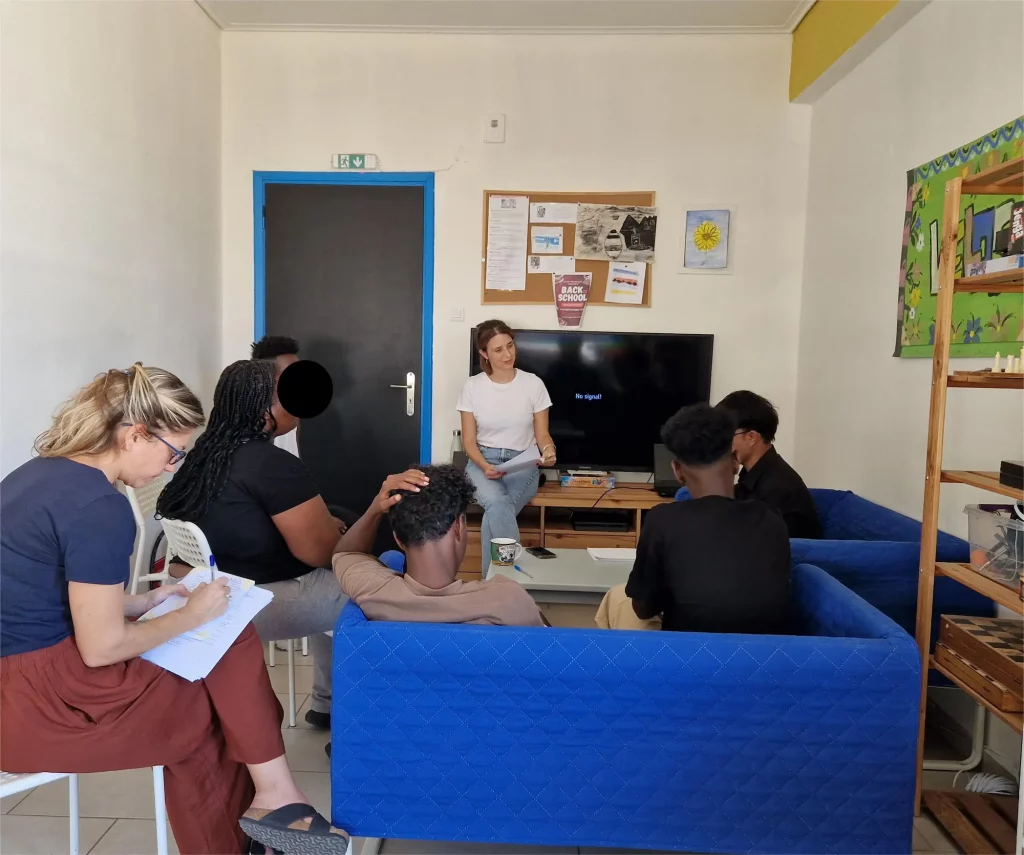
As part of the Safe Spaces Project, a focus group was organised in Greece by Velos Youth to better understand the experiences of young people on the move living in accommodation centres. The discussion provided valuable insights into the daily challenges participants face, while also highlighting the resilience, determination and hope that help them move forward. Participants identified language barriers as one of the most significant obstacles to their integration. Limited access to interpretation services affects communication with healthcare providers, social services, schools and legal authorities, making it difficult for young people to understand their rights and access the support they need. Several participants described feeling isolated and overwhelmed during their first months in Greece due to the lack of information and guidance. Living conditions in accommodation centres were another major concern. Young people reported feeling unsafe due to incidents of exploitation, drug use and inadequate security within the camps. They also described poor housing conditions, insufficient food provision and limited access to healthcare, with long waiting times and shortages of medical staff and interpreters further complicating access to essential services. The discussion also highlighted challenges related to education and employment. Participants spoke about the difficulties of attending language classes while working, as well as the lack of practical vocational training that could help them enter the labour market. Although legal employment opportunities do exist, language skills and social networks were considered essential for finding decent work, while undocumented migrants remain particularly vulnerable to labour exploitation. Despite these challenges, participants also shared positive experiences that demonstrate the importance of supportive communities and inclusive services. Small non-governmental organisations, psychologists, social workers and healthcare professionals were recognised for providing personalised support, helping young people feel safe, respected and encouraged. One participant reflected on the impact of this support by saying, « The first day I was in the camp, I was thirsty for love, and it was my psychologist who helped me. » Building connections with local communities was also identified as a key factor for successful integration. Participants described positive experiences through school, work and sports activities, where they had the opportunity to meet Greek young people, build friendships and feel part of the community. The focus group reinforced the importance of creating safe, inclusive environments where young people on the move can access quality services, develop their skills and actively participate in society. Their experiences and recommendations will contribute to the Safe Spaces Project’s efforts to promote more inclusive policies and practices that support the wellbeing, participation and integration of young people across Europe.
SafeSpaces International Webinar: A Landmark Success for Refugee Integration and Vocational Empowerment
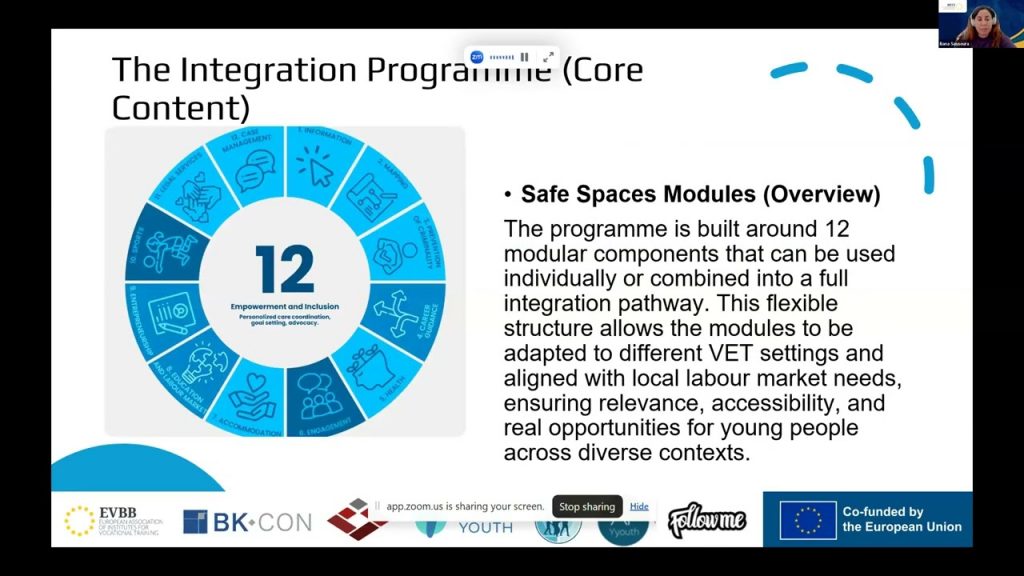
On 22nd June 2026, the Safe Spaces consortium organised an International Webinar where project partners and stakeholders celebrated a significant milestone in the mission to integrate unaccompanied minors and youth on the move. he event, which brought together a global audience of educational providers, VET (Vocational Education and Training) actors, and migrant-sector experts, served as a powerful platform for sharing the innovative SafeSpaces methodology. A Comprehensive Agenda for Inclusion The webinar, moderated by the project coordinator, followed a structure designed to provide both high-level insights and practical tools. Key segments included: The SafeSpaces Vision: The coordinator highlighted that the project addresses the critical gap between protection systems, educational providers, and labour market actors for youth aged 15 to 25t. The goal is to move these resilient young people from vulnerability toward autonomy. The Digital Platform: Daria Volosach (Yyouth) provided a walkthrough of the project’s digital membership platform, which features 12 flexible, interrelated modules available in English, Spanish, Greek, and Bulgarian. The platform includes self-reflection tools and real-life case studies to assist practitioners in providing tailored support:/. Methodological Framework: Gina and Maria from Velos Youth presented a six-step framework for establishing physical safe spaces: 1) Needs Analysis, 2) Design, 3) Policies/Ethos, 4) Team Building, 5) Partnerships, and 6) Daily Operations. The second half of the webinar featured two landmark keynote presentations that provided concrete examples of inclusive practices: Silvia Ganassi (Mundus): Presented case studies on using storytelling and digital mapping as tools for empowerment. She emphasized that « information protects, » sharing how participatory workshops in Ghana and Senegal helped youth make informed decisions about migration. Federico Tubiello (APRO Formazione): Shared the « APRO Experience » from Italy, detailing « Module One, » a pathway that combines Italian literacy with vocational orientation for newly arrived migrants.b. He also introduced the « NOI » (New Roots) network, a territorial cooperation model that connects schools, families, and intercultural mediators. A central takeaway from the session was the « trust-first » approach, emphasizing that relationship-building must remain at the centre of all formal assessment procedures. Participants learned that flexible, participatory programming significantly increases engagement and ownership among displaced youth
The Impact of the SafeSpaces Project in Bulgaria: targeted expertise for stronger professional support
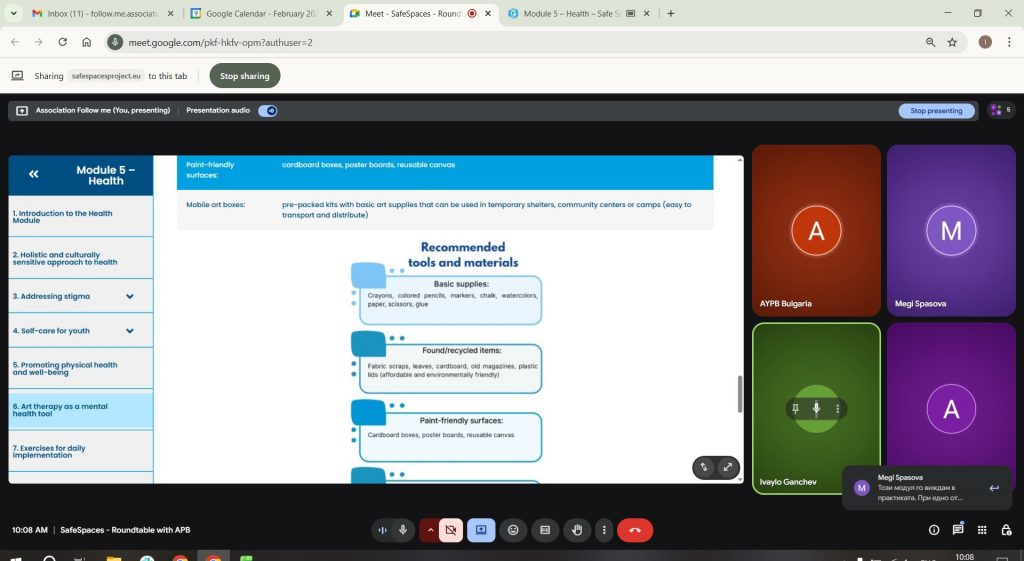
The Impact of the SafeSpaces Project in Bulgaria: targeted expertise for stronger professional support In February 2026, Follow Me Association organized four online roundtables in Bulgaria with different partner organizations, engaging psychologists, educators, and practitioners working with young migrants, refugees, and unaccompanied minors. Each session focused on evaluating specific SafeSpaces training modules in relation to real professional challenges. The Impact of the SafeSpaces Project in Spain: excellence in training for the inclusion of minors and migrants Focused Expertise and Practical Relevance The roundtable with the Association for Behavioral Sciences (ABS) confirmed the strong relevance of Module 3: Prevention of Human Trafficking, Criminality and Radicalization, highlighting its value for risk awareness and prevention-oriented work. The session with the Institute of Psychology, Training and Development (IPTD) emphasized the applicability of Module 2 (Individual Development Plans) and Module 9 (Entrepreneurship Training) in fostering personal development, autonomy, and integration. The Association of Psychologists in Bulgaria (APB) recognized Module 5: Health as a well-grounded resource supporting trauma-informed, culturally sensitive psychosocial interventions. At “Hristo Botev” School– Tsonevo, participants highlighted Module 8: Education and Labour Market Support as a practical tool for promoting educational success and pathways to independent adulthood. A Strong Foundation for Impact Across all four roundtables, the SafeSpaces training programme received consistently positive feedback. Participants agreed that the modules are not only theoretically sound but also highly applicable in real-world settings. A key strength identified was the programme’s ability to address complex, interconnected challenges through a holistic and multidisciplinary approach. The Bulgarian experience demonstrates that SafeSpaces is an effective and transformative resource for strengthening the capacity of professionals working with vulnerable groups. By equipping practitioners with practical tools, structured methodologies, and context-sensitive knowledge, the programme contributes to more effective protection mechanisms, improved integration outcomes, and the long-term wellbeing of young migrants and refugees.
The Impact of the SafeSpaces Project in Spain: excellence in training for the inclusion of minors and migrants
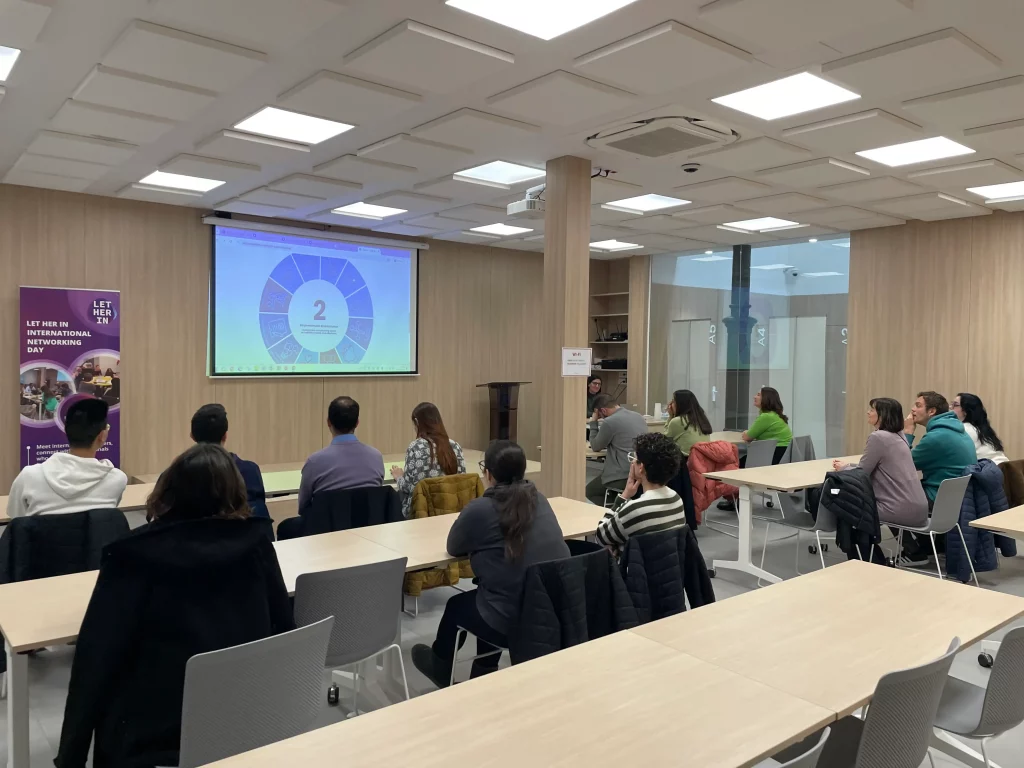
The Impact of the SafeSpaces Project in Spain: excellence in training for the inclusion of minors and migrants As Spain continues to be one of the primary entry points into Europe for migrants and refugees, the protection and integration of Unaccompanied Foreign Minors (MENA) remains a complex challenge requiring increasingly specialized professional skills. In response to these needs, the Spanish organizations EduFem and La Lliga recently completed the evaluation of the SafeSpaces training program with extremely positive results. A Model of Excellence Both roundtables, held in Reus in early 2026, expressed a judgment of excellence. The involved professionals including social educators, psychologists, intercultural mediators, and healthcare providers praised the perfect alignment between the high-quality professional content and the practical needs of daily fieldwork. The training modules were judged as excellent for their operational relevance. Among the most appreciated topics were: Career Guidance and the Labor Market: Essential for fostering long-term autonomy. Legal Services and Case Management: Critical for navigating complex administrative environments. Health and Crime Prevention: Fundamental for the well-being and safety of vulnerable communities. A primary strength identified was the holistic approach, which covers critical areas such as psychological first aid and trauma-informed care. Furthermore, the downloadable toolkits and resources were highlighted as invaluable for ensuring that theoretical knowledge is immediately transferable to real-world interventions. The SafeSpaces program achieved a 100% recommendation rate among the professionals of EduFem and La Lliga. It stands as an essential transformative resource for strengthening the institutional capacity of organizations working with marginalized groups, ensuring that the rights of young migrants and refugees are protected throughout their journey toward independence.
Creating Safe Spaces by Sharing Synergies and Good Practices
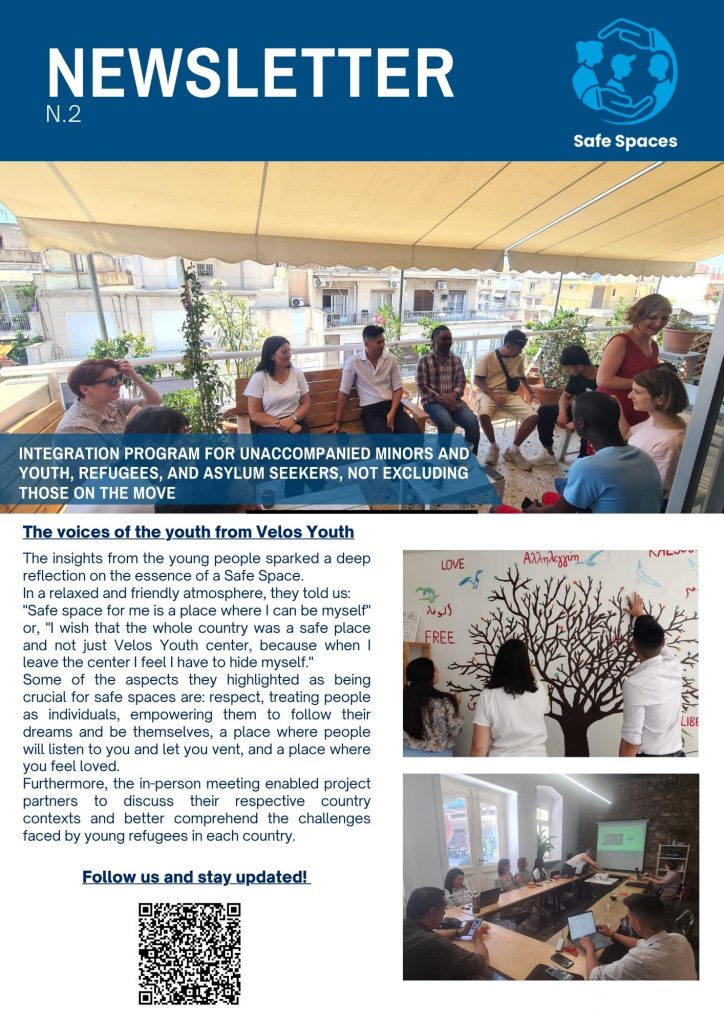
Creating Safe Spaces by Sharing Synergies and Good Practices From June 3 to 5, 2025, SafeSpaces partners gathered in Athens, hosted by the Velos Youth center, for a deep dive into the methodologies and challenges related to creating safe and welcoming spaces for young people, recognizing refugees, migrants, and displaced persons simply as youngsters. The main objective of this intense three-day event was to discuss and deepen methodologies for implementing « safe spaces » in the diverse contexts of the partner countries. The study visit was a fundamental opportunity to align strategies and share best practices among partners from different social, cultural, economic, and political backgrounds. One of the most valuable aspects of the study visit was the direct interaction with the young people hosted at the Velos Youth center. Their testimonies generated a profound reflection on the essence of a « safe space. » Furthermore, the meeting included the involvement of external stakeholders. Their experiences and perspectives in the daily work of creating safe spaces provided fundamental insights, allowing the team to further refine the training program currently under development, to ensure its maximum impact and responsiveness to real needs. SafeSpaces continues its journey towards creating environments that not only offer physical protection but also promote psychological well-being and social integration. We invite all those interested in this cause to follow our progress and join our community of members to promote increasingly inclusive, cooperative, and safe spaces.